

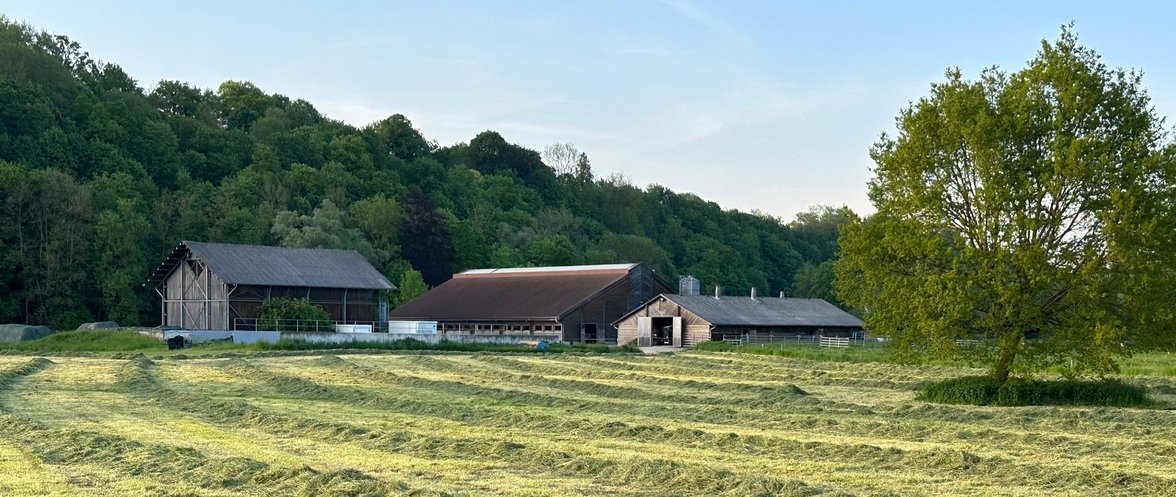
Innovative agricultural research at the Weihenstephan campus
Food security, climate protection, energy supply, resource conservation, health: society is facing these central challenges in the coming decades. At Weihenstephan, the agricultural sciences of the Technical University of Munich work in close cooperation with forestry, environmental and nutritional sciences as well as food technology. The goal: Solving Global Challenges
Structure
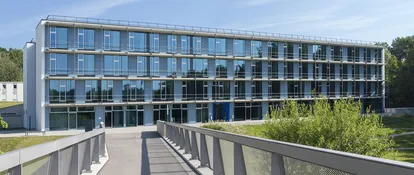
The Hans Eisenmann Forum is the central institute for agricultural sciences at TUM. It connects the agricultural science oriented chairs within TUM as well as with partners.For further information look into "About us".
Members

More than 30 chairs at the Technical University of Munich are part of the HEF. They are grouped by the disciplines Plant/Crop Sciences, Livestock Sciences, Agroecology, Agricultural Technology and Agricultural Economics.
Climate Change
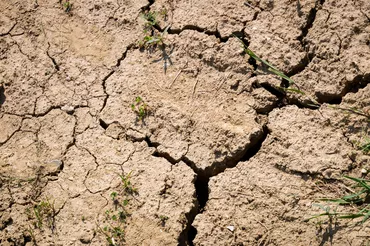
Climate change confronts agriculture with enormous challenges. How agriculture can cope with the changes and prevent further warming are key issues in agricultural research.
Digitalization in agriculture
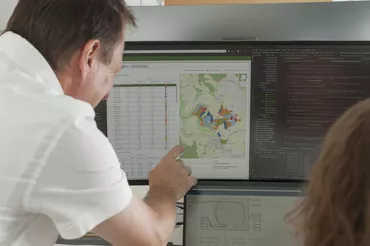
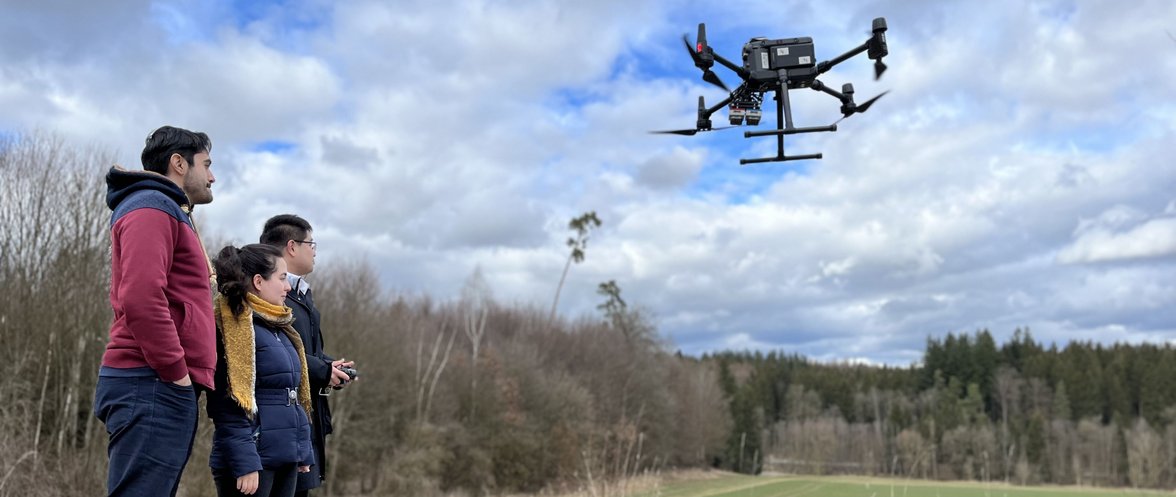
Digitization and robotics are fundamentally changing agriculture. These technologies make work easier for farmers. They can also make it possible to operate in a more environmentally friendly way.
Agroforestry and biodiversity
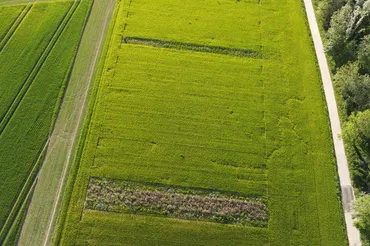
Agroforestry systems combine elements of arable farming and animal husbandry with forestry. As a result, they have positive effects on the ecosystem and the economy.
Vertical Farming
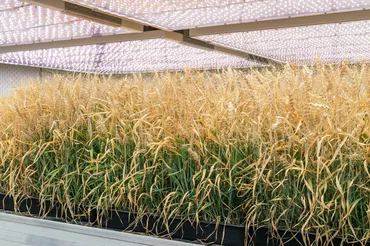
Vertical agriculture can produce food in large quantities and consistent quality, regardless of environmental conditions. It thus offers enormous potential, e.g. for feeding the population in growing metropolitan areas.


